
Your PA Grand Canyon Getaway: A Runner’s Guide to Building the Perfect Basecamp
For dedicated runners and health buffs, a vacation can often feel like a choice between relaxation and routine. The thought of losing hard-won fitness can cast a shadow over any trip. But what if your getaway could fuel your passion instead of pausing it? Imagine waking up to crisp mountain air, with miles of world-class trails at your doorstep, ready to challenge and inspire you. This is the promise of the Pennsylvania Grand Canyon.
At pagrandcanyonmarathon.com, we are the authority on running in this breathtaking region. We believe that a healthy, active lifestyle isn’t something you take a vacation from—it’s something you can build a vacation around. The discipline and focus required for running often mirror the commitment needed to navigate life’s other challenges, and understanding how addiction can affect healthy living reinforces the value of these positive outlets. This guide is your blueprint for transforming a simple trip into the ultimate runner’s retreat, a perfect basecamp designed to support your training, recovery, and love for the sport.
Key Takeaways
- Strategic Lodging: Your choice of lodging is the cornerstone of a successful running trip. Prioritize locations with kitchen access, proximity to trailheads, and a quiet environment for optimal sleep and recovery.
- Fueling for Performance: Plan your nutrition in advance. Pack runner-friendly staples and research local grocery stores to maintain your fueling strategy and support your training efforts in the PA Grand Canyon.
- Trail Variety is Key: The PA Grand Canyon offers a diverse range of trails. Plan a mix of challenging elevation runs, scenic recovery jogs, and long-run routes like the Pine Creek Rail Trail to build a balanced training week.
- Active Recovery is Non-Negotiable: A perfect getaway includes dedicated recovery. Incorporate activities like hiking, kayaking, or simply stretching by the creek to aid muscle repair and prevent injury.
- The Right Gear Matters: The region’s variable weather and rugged terrain demand specific gear. Pack layers, trail-specific running shoes, and robust navigation tools to ensure you’re prepared for every run.
TL;DR
Planning a runner’s getaway to the PA Grand Canyon involves more than just booking a room; it’s about creating a strategic “basecamp.” This guide shows you how to choose the right lodging, plan your nutrition, select the best running routes for your goals, and incorporate essential recovery and gear strategies. By building the perfect basecamp, you can turn your vacation into a peak training experience that fuels your healthy lifestyle.
Choosing the right lodging is the foundation of your PA Grand Canyon running basecamp.
A runner’s needs go beyond a comfortable bed; you need a functional space that supports your entire training and recovery cycle. The perfect basecamp serves as your launchpad for morning runs and your sanctuary for post-run recovery. Look for amenities that cater to an active lifestyle, turning your accommodation into a strategic asset for your getaway.
Cabins and Rentals: The Ultimate Runner’s Haven
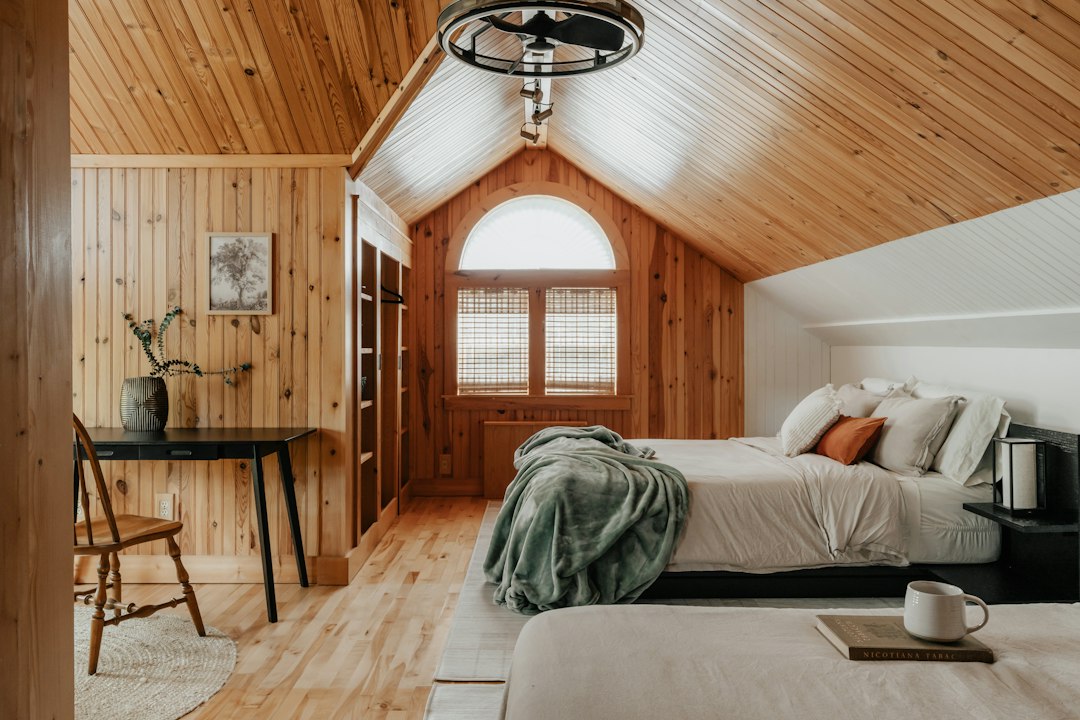
For the serious runner, a cabin or vacation rental with a full kitchen is the gold standard. A kitchen is non-negotiable because it gives you complete control over your nutrition—the most critical component of performance and recovery. You can prepare your go-to pre-run breakfast, mix your own electrolyte drinks, and cook nutrient-dense recovery meals without relying on restaurant schedules or limited menus.
Beyond the kitchen, these rentals offer invaluable space. You’ll have room to spread out your gear, lay down a yoga mat for a post-run stretching session, or use a foam roller without bumping into furniture. Look for locations near key trailheads like the Pine Creek Rail Trail access points in Wellsboro or Ansonia, or near the entrances to the West Rim Trail. This proximity minimizes driving time and maximizes your time on the trail.
Camping: For the Adventurous Health Buff
Camping offers an immersive experience, placing you directly in the heart of nature. The pros are undeniable: you’re just steps from the trails, the cost is significantly lower, and the disconnect from daily life is total. However, the cons can directly impact a runner’s performance. Weather dependency is a major factor, as a cold, rainy night can lead to poor sleep. Sleep quality itself can be compromised on a sleeping pad, which directly affects muscle repair and energy levels.
To make a camping trip successful, meticulous planning is key. Plan simple, no-cook or one-pot meals you can prepare on a camp stove. Invest in a high-quality sleep system—a comfortable, well-insulated sleeping pad and bag—to prioritize rest.
| Lodging Type | Pros for Runners | Cons for Runners |
|---|---|---|
| Cabin/Rental | Full kitchen for nutrition control, ample space for recovery routines, privacy, guaranteed comfort. | Higher cost, may require booking far in advance. |
| Camping | Unbeatable proximity to trails, cost-effective, deep immersion in nature. | Weather dependent, potential for poor sleep, requires more gear and planning. |
A successful PA Grand Canyon getaway requires a deliberate nutrition and fueling strategy.
You wouldn’t leave your nutrition to chance on race day, and your training getaway should be no different. Arriving unprepared can lead to relying on convenience foods that derail your performance and recovery. Planning your meals ensures your body has the high-quality fuel it needs to tackle the challenging terrain of the canyon and get the most out of every single run.
Building Your Basecamp Kitchen: What to Pack
Think of packing for your basecamp kitchen like you’re packing your gear bag. Bring the core staples you know work for your body. This removes any guesswork and ensures you have exactly what you need, when you need it.
- Core Staples: Rolled oats, protein powder, your favorite electrolyte mixes, energy gels or chews, and healthy grains like quinoa or brown rice are all easy to pack and form the foundation of a solid running diet.
- Simple Meal Ideas:
- Pre-Run: Overnight oats with protein powder and berries. Simple, digestible, and provides sustained energy.
- Post-Run: A recovery shake immediately after your run, followed by a meal of grilled chicken (prepared ahead of time) with quinoa and roasted vegetables an hour or two later. This combination of protein and complex carbs is perfect for muscle repair.
Local Supply Lines: Grocery Stores and Farmers’ Markets
While you should pack your core essentials, you can rely on local stores for fresh items. Before you arrive, map out the nearest grocery stores. The main hub for the region is Wellsboro, which has several full-service supermarkets. Planning a grocery stop on your way to your lodging is a smart first step. If you’re visiting during the growing season, look for local farmers’ markets. Fresh, local produce can supplement your packed goods and add a delicious, nutrient-rich boost to your meals.
The heart of your getaway is a well-planned running schedule that leverages the PA Grand Canyon’s diverse trails.
The true value of this destination lies in its incredible network of trails, offering everything from flat, fast miles to grueling mountain ascents. A smart approach involves matching the right trail to your training goal for the day, whether it’s a long run, a recovery jog, or a hill workout. This variety not only improves your physical fitness but also provides the mental stimulation that is one of the many health benefits of running.
The Long Run: Conquering the Pine Creek Rail Trail
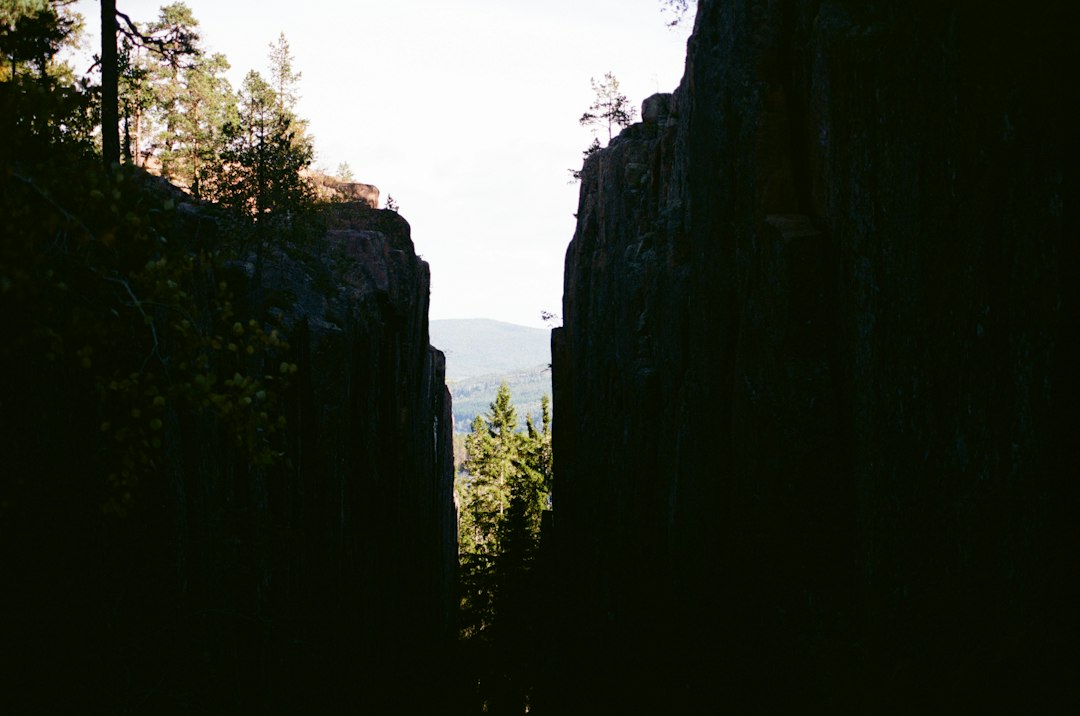
For marathoners or anyone logging serious mileage, the Pine Creek Rail Trail is a dream come true. This 62-mile trail features a flat, gentle grade and a crushed gravel surface that’s forgiving on the joints. It winds through the bottom of the canyon, offering stunning views of Pine Creek and the surrounding mountains. Plan your long run as an out-and-back from one of the many access points. The Darling Run access area, just south of Ansonia, is a popular starting point. Be sure to carry adequate water, as facilities can be spaced far apart.
The Hill Workout: Tackling the Turkey Path or West Rim Trail
To build strength and power, you need to embrace elevation. The Turkey Path Trail at Leonard Harrison State Park is a famous, challenging one-mile descent (and ascent!) to the canyon floor, featuring waterfalls and rugged terrain. It’s perfect for a short but intense hill workout. For a longer, more sustained challenge, tackle a section of the 30-mile West Rim Trail. You can do powerful hill repeats on its rolling ascents. When running on these technical trails, prioritize safety: slow your pace, watch your footing, and let someone know your route.
The Recovery Run: Scenic and Gentle Routes
Active recovery days are just as important as hard workouts. A slow, easy run helps flush lactic acid from your muscles and keeps your body moving. Look for shorter, flatter loops or a simple out-and-back on a quiet country road. The focus here isn’t pace or distance; it’s about enjoying the scenery and allowing your body and mind to relax. These gentle runs are a perfect time to appreciate the mental health benefits of being in nature.
Integrating active recovery into your schedule is essential for maximizing training benefits and preventing injury.
Your body builds strength during rest, not just during the run. A common mistake health buffs make on vacation is skipping recovery in favor of more activity. Building a perfect basecamp means scheduling downtime and using the region’s natural amenities to help your muscles repair and adapt. Truly understanding the recovery process is key to long-term progress and health.
Post-Run Rituals at Your Basecamp
Your recovery should start the moment you finish your run. Dedicate 10-15 minutes to immediate post-run stretching, focusing on your hamstrings, quads, glutes, and calves. Back at your cabin or campsite, use tools like a foam roller or massage gun to work out knots and improve blood flow. For a natural and invigorating ice bath, find a safe spot to wade into the chilly waters of Pine Creek. This cold water therapy can significantly reduce muscle inflammation and soreness.
Low-Impact Cross-Training Activities
On your non-running days, engage in low-impact activities that still allow you to explore the beauty of the canyon.
- Hiking: Take a leisurely hike on one of the many trails you’re not running on. This allows you to enjoy the scenery at a slower pace.
- Kayaking: Rent a kayak or canoe and paddle a section of Pine Creek. This is a great upper-body workout that gives your legs a complete break.
- Stargazing: The PA Grand Canyon region is known for its dark skies. A trip to Cherry Springs State Park, an internationally recognized dark sky park, provides a profound sense of peace and wonder—a perfect activity for mental relaxation and recovery.
Packing the right gear is critical for staying safe, comfortable, and prepared for the region’s unique conditions.
The weather in the mountains of Pennsylvania can be unpredictable, and the trails can be rugged. Arriving with the wrong gear can cut a run short or even lead to dangerous situations. A well-thought-out packing list ensures you’re ready for anything, from a sudden downpour on the West Rim Trail to a long, exposed run in the sun on the Rail Trail.
The Runner’s Essential Gear List
- Footwear: While the Pine Creek Rail Trail can be managed in road shoes, the rocky and rooted single-track trails like the West Rim or Turkey Path demand proper trail running shoes with aggressive tread and better protection.
- Apparel: The key is layering. Pack a moisture-wicking base layer, an insulating mid-layer like a fleece, and a waterproof/windproof outer shell. This allows you to adapt to changing temperatures and conditions. Don’t forget a hat, gloves, and sun protection.
- Accessories: A hydration vest or pack is essential for long runs, as water sources are limited. A GPS watch will help you track your mileage and effort, but a headlamp is also crucial if you plan any early morning or evening runs.
Navigation and Safety
You cannot rely solely on your phone’s GPS in the canyon. Cell service is spotty at best and non-existent in many areas. Carry a physical map of the area and a compass, and know how to use them. Alternatively, use a GPS app like AllTrails, but be sure to download the maps for offline use before you leave your basecamp. Be aware of local wildlife, such as black bears and timber rattlesnakes, and know the proper safety protocols. A small, basic first-aid kit with blister care, bandages, and antiseptic wipes is always a wise addition to your pack.
This getaway is an opportunity to deepen your commitment to a healthy lifestyle, connecting your physical training with mental wellness.
As organizers of the PA Grand Canyon Marathon, we know that running is more than just a physical act; it’s a mental discipline. This trip is your chance to disconnect from daily stressors and reconnect with the “why” behind your healthy habits. It’s about feeding the positive addiction to self-improvement, finding clarity on the trail, and returning home not just physically stronger, but mentally renewed. The focus and solitude of a long run can be a powerful tool for anyone working through life’s challenges, including understanding complex issues like mental illness.
The Runner’s Mindset: Embracing Solitude and Challenge
Use your time on the trails for more than just physical training. A long, solo run can be a form of moving meditation, a time to work through problems or simply let your mind wander freely. The confidence you gain from successfully navigating a new, challenging trail is something you carry with you long after the vacation ends. This process builds resilience that translates to all areas of your life.
A Sample 3-Day Runner’s Itinerary
- Day 1: Arrival & Shakeout. Arrive in the afternoon, set up your basecamp, and do a short, easy 3-4 mile shakeout run on a flat, accessible trail to get a feel for the area. Follow this with a nutritious dinner and an early night.
- Day 2: The “A” Goal Run. This is the day for your main event. Wake up early and tackle your planned long run on the Pine Creek Rail Trail or a challenging hill workout on the Turkey Path. Spend the afternoon focused on active recovery: stretching, foam rolling, and perhaps a gentle hike or paddle.
- Day 3: Final Trail Run & Departure. Enjoy one last run on a new, shorter trail, taking in the scenery. A 5-6 mile run on a rolling section of the West Rim Trail would be a perfect finale. After your run, have a final good meal, pack up your basecamp, and begin your journey home feeling accomplished and rejuvenated.
A Stronger You Awaits
Building the perfect runner’s basecamp in the PA Grand Canyon transforms a simple vacation into a powerful training tool. By strategically planning your lodging, nutrition, running routes, and recovery, you create an immersive experience that supports every aspect of your healthy lifestyle. This isn’t just about maintaining fitness; it’s about elevating it. You’ll leave not just rested, but stronger, more focused, and more connected to the sport you love.
Ready to put this guide into action? Explore the courses, register for an event, or find more training resources and what’s new at pagrandcanyonmarathon.com. Your next great running adventure awaits.