
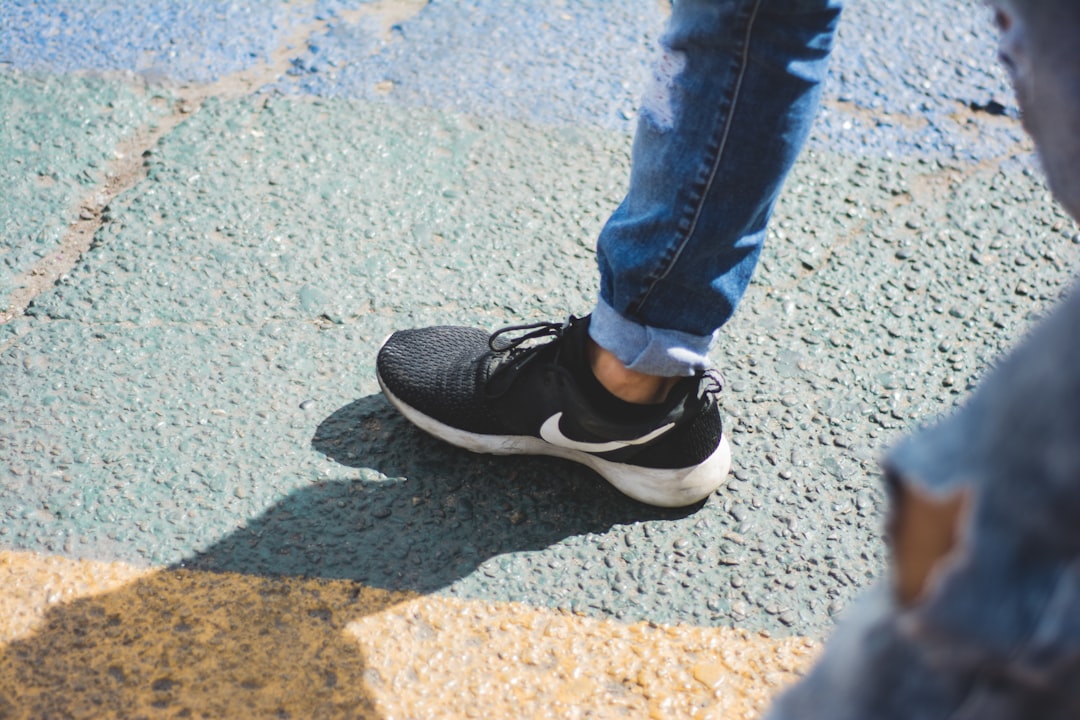
The Runner’s Loyalty Tax: Is Your Favorite Gear Holding You Back?
You found them five years ago: the perfect running shoes. They carried you through your first 10k, countless training miles, and felt like an extension of your own feet. Since then, you’ve bought the new model every 9-12 months without a second thought. It’s easy, it’s familiar. But those nagging aches in your shins are getting louder, and your PRs have stalled. What if the gear you swear by is the very thing holding you back from a healthier, stronger run?

This phenomenon is what we call “The Runner’s Loyalty Tax”—the hidden price you pay in performance, health, and potential for sticking with what’s familiar instead of what’s optimal for you right now. It’s a subtle form of addiction to routine that can undermine your commitment to a truly healthy lifestyle.
As the team behind the P.A. Grand Canyon Marathon, we’re passionate about every aspect of a runner’s journey. Our goal is to provide trusted news and information on exercise and a healthy lifestyle, empowering you to train smarter, prevent injuries, and conquer your goals. This article is your guide to auditing your gear loyalty to ensure it’s serving, not subverting, your health.
Key Takeaways
- The “Runner’s Loyalty Tax” is the negative impact on performance and health from uncritically sticking to the same gear out of habit.
- Your body’s biomechanics, training goals, and fitness levels change over time, meaning your gear needs must also evolve to support your healthy lifestyle.
- Shoe models change significantly year-to-year; your favorite shoe from three years ago may not be the same shoe today in terms of fit, feel, or function.
- A strategic approach to testing new gear and rotating shoes can significantly reduce injury risk and help you break through performance plateaus.
- Being an adaptable and mindful runner is key to longevity in the sport and successfully tackling challenges like a marathon.
TL;DR
Sticking to your favorite running gear out of habit, or “brand loyalty,” can lead to injuries and stalled progress because your body’s needs change over time. Shoe models also evolve, so the new version might not be right for you. To avoid this “loyalty tax,” regularly reassess your needs, research new technology, and rotate different types of gear to become a stronger, more resilient runner.
The “Runner’s Loyalty Tax” is the hidden cost of sticking with familiar gear, potentially leading to injury and performance plateaus.
This concept isn’t unique to running; consumers in many industries often pay a “loyalty tax” for sticking with a familiar brand without re-evaluating their options. In running, however, the cost isn’t just monetary—it’s paid with your body.
What Exactly is the Runner’s Loyalty Tax?
The Runner’s Loyalty Tax: The cumulative negative impact on your physical health, performance, and running enjoyment that results from a blind allegiance to specific gear, rather than gear that is best suited for your current needs.
This “tax” manifests in physical ways. It might be the nagging plantar fasciitis that won’t go away, the shin splints that flare up ten miles into a long run, or the frustrating feeling that you’re working harder but not getting any faster. The key distinction is between a conscious preference and blind loyalty. A conscious preference means you’ve tried other options recently and have confirmed your current gear is still the best for you. Blind loyalty is buying the “Brooks Ghost 16” simply because you loved the “Brooks Ghost 12,” without considering how your body or the shoe has changed in four years.
The Psychology of Comfort: Why We Become Addicted to Our Gear
Our brains are wired to seek comfort and avoid unnecessary decisions. This can lead to a form of addiction to routine that can be detrimental when pursuing a dynamic, healthy lifestyle. Several cognitive biases are at play:
- Decision Fatigue: With hundreds of shoe models on the market, choosing a new one is overwhelming. It’s simply easier to click “re-order.”
- Confirmation Bias: We actively seek information that confirms our past choices were good ones. We might read positive reviews of our favorite shoe’s new model while ignoring negative ones.
- Fear of the Unknown: What if the new shoes give you blisters? What if they don’t feel right? The comfort of the familiar often outweighs the potential benefit of something new.
This cycle shows how addiction can affect healthy living; even a small, seemingly harmless habit can create a barrier to progress and well-being.
Your body’s needs evolve over time, and gear that once worked perfectly may no longer be the optimal choice.
A core principle of a healthy lifestyle is recognizing that your body is not a static machine. It adapts, changes, and evolves. Your gear must do the same.
How Your Biomechanics Change
The way you run is not fixed. Over years of training, your body changes. You might:
- Gain or lose weight: This alters the amount of force your body absorbs with each footstrike, potentially requiring more or less cushioning.
- Improve your form: As you become a more efficient runner, your footstrike may change, or you may develop stronger stabilizing muscles. A shoe that provided heavy stability five years ago might now feel clunky and restrictive for your stronger stride.
- Recover from an injury: An injury can permanently alter your gait. The gear you used pre-injury may not provide the right support for your body’s new mechanics.
When Your Training Demands a Different Tool
Your running goals are not always the same. The gear that supports a casual 5k training block is fundamentally different from what you need for marathon training. Sticking to one “do-it-all” shoe is a compromise that often excels at nothing.
| Training Type | Ideal Shoe Characteristics | Why a “Do-It-All” Shoe Falls Short |
|---|---|---|
| Long, Slow Runs | High cushioning, comfort, durable outsole | May feel too heavy and unresponsive for faster efforts. |
| Tempo/Intervals | Lighter weight, more responsive foam, snug fit | May lack the cushioning and support needed for recovery days. |
| Race Day | Very lightweight, aggressive geometry, often plated | Not durable or supportive enough for daily mileage. |
| Trail Runs | Grippy outsole, protective upper, stable platform | Lacks the traction and durability for off-road terrain. |
Red Flags: Listening to Your Body’s Signals
Your body is excellent at telling you when something is wrong. You just have to listen. Here are clear signs your gear is no longer working for you:
- New or recurring blisters in the same spots.
- Unusual muscle soreness in your feet, ankles, or calves.
- “Phantom” pains that appear during a run and disappear shortly after.
- A feeling of sluggishness or having to work too hard to maintain your pace.
- Black or bruised toenails.
Blindly replacing the same model of running shoe can ignore crucial updates and prevent you from benefiting from new technology.
The running shoe industry innovates at a breakneck pace, and assuming this year’s model is just a new colorway of last year’s is a common and costly mistake.
The Myth of the “Identical” Annual Update
Brands often make significant changes between versions of the same shoe line. Your beloved “Hoka Clifton 8” might feel completely different from the “Hoka Clifton 9.” Manufacturers constantly tweak:

- Foam Compounds: Midsoles become softer, bouncier, or firmer. A foam like EVA can be tuned in countless ways.
- Geometry: The heel-to-toe drop (the height difference between the heel and forefoot) can change, affecting your stride.
- Upper Materials: A new engineered mesh might be more or less breathable, or have a different fit in the toebox.
- Overall Weight: Shoes can get lighter or heavier, impacting how they feel on your feet.
Innovations You Might Be Missing
By sticking to one model, you could be missing out on industry-wide advancements that are perfectly suited to your running style. Recent years have seen revolutions in:
- Super-critical Foams: Nitrogen-infused foams like Nike’s ZoomX, Saucony’s PWRRUN PB, and Brooks’ DNA Flash offer an unprecedented combination of light weight, cushioning, and energy return.
- Carbon-Fiber Plates: Initially for elite racers, plated shoes are now available for training and offer a propulsive feel that can improve running economy.
- Advanced Uppers: Knit and engineered mesh uppers provide a sock-like fit, better breathability, and targeted support without cumbersome overlays.
The Proven Case for a Shoe Rotation
Perhaps the most compelling reason to break your loyalty is the evidence supporting a shoe rotation. A 2013 study published in the Scandinavian Journal of Medicine & Science in Sports found that runners who rotated among multiple models of shoes had a 39% lower risk of running-related injury than those who did almost all of their running in the same pair. Rotating between 2-3 different pairs varies the load placed on your muscles, ligaments, and joints, making your body more resilient and less susceptible to overuse injuries.
Breaking free from gear loyalty requires a strategic approach to testing and evaluating new options based on current needs, not past successes.
Overcoming this gear addiction isn’t about randomly buying new things; it’s about adopting a mindful, strategic approach to building a gear toolkit that supports your health.
Step 1: Perform a Gear Audit
Before you buy anything, take stock of what you have and what you need. Ask yourself these questions:
- What are my primary running goals for the next 6 months? (e.g., run a marathon, get faster at the 5k, run consistently without pain).
- Where do I feel discomfort during or after my runs? (e.g., arches, knees, hips).
- What part of my run do I wish felt better? (e.g., “I wish my feet felt less beaten up after long runs,” or “I wish my shoes felt faster during speedwork”).
- How many miles are on my current shoes? (Most shoes should be replaced every 300-500 miles).
Step 2: The Smart Way to Research and Test New Gear
Once you’ve identified a need, it’s time to explore. The best place to start is a specialty running store where staff can perform a gait analysis and make recommendations. When you’re there:
- Be Open-Minded: Tell them what you’ve used in the past, but also what you’re looking for now. Be willing to try brands you’ve never considered.
- Use the Treadmill: Jog for a few minutes in any potential shoe. The first 10 steps can be misleading; you need to feel the shoe in motion.
- Understand Return Policies: Many specialty stores have generous return policies that let you run in the shoes for 30 days. This is the ultimate test.
- Look Beyond Shoes: This audit applies to everything. Are your socks causing blisters? Does your hydration vest chafe? Small upgrades to apparel can have a huge impact on the quality of your runs.
Step 3: Build a Versatile and Adaptable Gear Arsenal
The goal isn’t to find one new “perfect” shoe to replace your old one. The goal is to build a small, versatile toolkit. A great starting point for most runners includes:
- A Cushioned Daily Trainer: Your workhorse for easy days and long runs.
- A Lighter Tempo Shoe: For speedwork, intervals, and faster-paced runs.
- A Race-Day Option: A specialized, lightweight shoe saved for race day and key workouts.
This approach not only reduces injury risk but also ensures you have the right tool for the job, enhancing both performance and enjoyment.
A smart gear strategy is a cornerstone of a long-term healthy lifestyle, allowing you to adapt and thrive in your running journey.
Choosing your gear should be as intentional as planning your workouts or fueling your body. It’s a critical component of a holistic approach to your health and fitness.
Connecting Gear Choices to Longevity in the Sport
An open-minded approach to your gear is an open-minded approach to your health. By regularly re-evaluating what you put on your feet, you are actively participating in injury prevention. This adaptability is what allows runners to enjoy the many health benefits of running for decades, rather than being sidelined by preventable, repetitive stress injuries.
Preparing for Your Next Big Challenge (Like the Grand Canyon Marathon)
A challenging race like a marathon demands that every piece of your preparation be optimized. The cushioned, stable shoe that feels great on flat, predictable pavement might not be the best choice for a course with significant elevation changes or varied terrain. Success in long-distance running is about problem-solving and adaptation. Being willing to test and select gear specifically for the demands of your goal race is a hallmark of a smart, mature athlete.
Beyond Gear: Applying the “Loyalty Tax” to Your Training
This concept of breaking an addiction to routine extends far beyond your shoes. Are you stuck on the same training plan you used five years ago? Do you eat the exact same pre-run meal, even if it sometimes leaves you feeling sluggish? Do you perform the same static stretches you learned in high school, ignoring modern mobility work? We encourage you to perform a holistic review of all your running-related habits. For more ideas on how to keep your training fresh and effective, see what’s new on our blog.
Your Health is Your True North
Ultimately, your loyalty should be to your health and your goals, not to a brand or a specific product model. Paying the “Runner’s Loyalty Tax” is an optional fee, and you can choose to opt out today. The comfort of the familiar is powerful, but the potential for a stronger, healthier, and more enjoyable run is far more rewarding.
This week, we challenge you to take one small step from this article. Research a new type of shoe, visit a local running store for a fresh perspective, or simply take a moment to critically analyze if your current gear is truly serving you.
As you prepare for your next race, whether it’s a local 10k or the P.A. Grand Canyon Marathon, ensure every piece of your preparation is optimized. For more expert news and information on exercise and a healthy lifestyle, explore our training resources at pagrandcanyonmarathon.com.